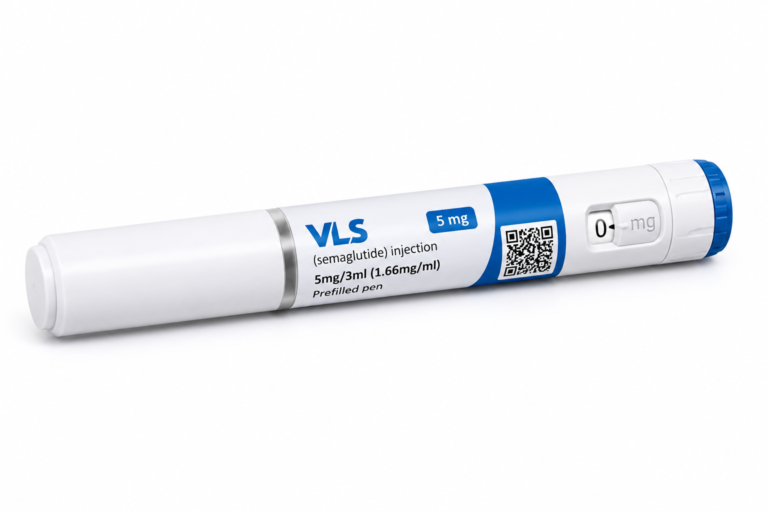
VLS Weight Loss: 7 Essential Steps for a Healthy Start
A practical guide to realistic goals, everyday habits and knowing when to seek professional support.
Starting a weight-management plan can feel confusing. Between restrictive diets, online transformation stories and discussions about weight-loss injections, it can be difficult to decide what deserves your attention.
This VLS Weight Loss guide focuses on a more useful starting point: understanding your needs, choosing manageable changes and finding appropriate support. Healthy weight management can involve eating patterns, physical activity, sleep and other factors—not simply willpower or a single product. CDC
The aim is not to follow someone else’s timetable. It is to build an approach that makes sense for your health and circumstances.
This guide provides general information for adults. Speak to a healthcare professional before changing your diet or activity if you have a medical condition, follow a prescribed diet or have a current or previous eating disorder. nhs.uk
1. Set a Realistic Goal, Not a Deadline
When weight loss is appropriate, gradual progress is a more sensible starting point than a promise of rapid transformation. The NHS suggests aiming for approximately 0.5 to 1 kilogram per week, although individual progress varies. This is general guidance—not a result everyone should expect every week. nhs.uk
Alongside a weight-related goal, choose something you can actively practise. For example, you might plan a short walk on particular days or prepare lunch at home more regularly. Specific, achievable actions are easier to review than a vague intention to “be healthier.” CDC
Ask yourself: What is one change I could realistically repeat next week?
2. Build Balanced Meals You Enjoy
A weight-management eating plan should still provide nourishment and fit into everyday life. The NHS recommends including vegetables, a source of protein and appropriate portions of starchy foods, choosing wholegrain varieties where possible. Protein and fibre-rich foods can help meals feel more satisfying. nhs.uk
An illustrative meal could combine lentils, fish, tofu or chicken with vegetables and a portion of potatoes or wholegrain rice. Adapt the ingredients to your preferences, budget, dietary requirements and cultural traditions.
Think about what you can add to improve balance, rather than starting with a long list of forbidden foods.
For practical ideas, explore the NHS guide to healthy eating when trying to lose weight.
3. Pay Attention to Drinks and Portions
What you drink and how much you serve can matter alongside your food choices. Sugary drinks and alcohol contribute calories, while large portions can make it easier to eat more than you need. The NHS suggests practical changes such as choosing lower-calorie drinks, measuring cooking oils and serving snacks in a bowl rather than eating directly from a packet. nhs.uk
Choose a change that addresses your own routine. For example, replacing a regular sugary drink with water may be more relevant than completely redesigning every meal.
Start with something manageable—not an attempt to change everything at once. nhs.uk
4. Combine Everyday Movement With Strength Activities
Physical activity matters for health, even when weight changes are modest. For adults aged 19 to 64, NHS guidance recommends at least 150 minutes of moderate-intensity activity each week, or an equivalent amount of vigorous activity, alongside muscle-strengthening activities on at least two days a week. nhs.uk
You do not have to reach that target immediately. Begin at a level appropriate to your fitness and circumstances, then build gradually. Walking, swimming, cycling and suitable home exercises are possible options. Strength activities can include resistance bands, weights or exercises using your body weight. nhs.uk
A short walk after lunch could be a starting habit—not a requirement to complete a demanding workout.
Speak to a GP first if you have not exercised for some time or have medical concerns. Read the NHS physical activity guidelines for adults for further guidance. nhs.uk
5. Give Sleep a Place in Your Plan
Food and exercise often receive most of the attention, but sleep deserves consideration too. The NHS explains that insufficient sleep can make weight management harder by leaving you too tired to cook or exercise and making higher-calorie foods more appealing. nhs.uk
Consider whether your daily routine leaves enough space for rest. A consistent bedtime and wake-up time, less late-day caffeine and switching off electronic devices before bed are possible starting points. CDC
Rather than viewing tiredness as a lack of motivation, ask whether your plan needs to accommodate your work, caring responsibilities or sleep difficulties.
6. Review Your Habits, Not Just Your Weight
Progress reviews can include more than a number on the scales. Recording activity, eating patterns and sleep can help you identify what is working and where adjustments are needed. The CDC recommends reviewing goals regularly and modifying the plan when necessary. CDC
You might ask:
Did my plan fit my week? Which change felt manageable? What made another change difficult?
Use the answers to make the next week more practical. A missed walk or an unplanned meal is information—not a reason to abandon every other habit.
Keep any tracking supportive rather than punitive. Where food or weight monitoring becomes distressing, seek individual advice rather than pushing yourself to track more closely.
7. Seek Appropriate Support Before Considering Treatment
Needing help does not mean you have failed. A GP can discuss weight-management programmes, relevant health conditions and whether additional treatment or specialist support may be appropriate. Medicines, where suitable, are generally used alongside dietary and lifestyle support. nhs.uk
What about peptides and weight-loss injections?
A product description or a scientific-sounding name should not replace an individual assessment. The MHRA states that GLP-1 medicines are prescription-only and advises obtaining them through legitimate pharmacies following an appropriate consultation and prescription. Buying from unregulated sellers creates serious safety risks. GOV.UK
Before considering a medicine, discuss its suitability, potential benefits, risks and follow-up requirements with a qualified prescriber.
Read the MHRA’s guidance on GLP-1 medicines for weight loss and diabetes for independent information.
Frequently Asked Questions
Do I need to stop eating carbohydrates?
No. NHS healthy-eating guidance includes starchy foods such as potatoes, bread, rice and pasta. Choosing higher-fibre or wholegrain options and considering portion sizes is more useful than assuming all carbohydrates must be removed. nhs.uk
Does everyone need weight-loss medicine?
No. Treatment depends on individual circumstances. Some people benefit from lifestyle changes and structured support; others may need additional medical care. A healthcare professional can help assess the appropriate options. nhs.uk
Where can I find independent help?
The NHS Better Health weight-management resource provides information about eating, activity, sleep and support options, including its free weight-loss plan. Your GP can also help you explore local services. nhs.uk
Your Next Step: Choose One Manageable Change
The central message of this VLS Weight Loss guide is straightforward: start with a realistic action, use reliable information and seek support when needed.
Choose something specific for the coming week. That might mean planning balanced lunches, making time for a suitable activity or arranging a conversation with your GP.
Your plan should support your health—not pressure you to match someone else’s results.
The external resources in this article are independent references. Their inclusion does not imply endorsement of VLS or its products.